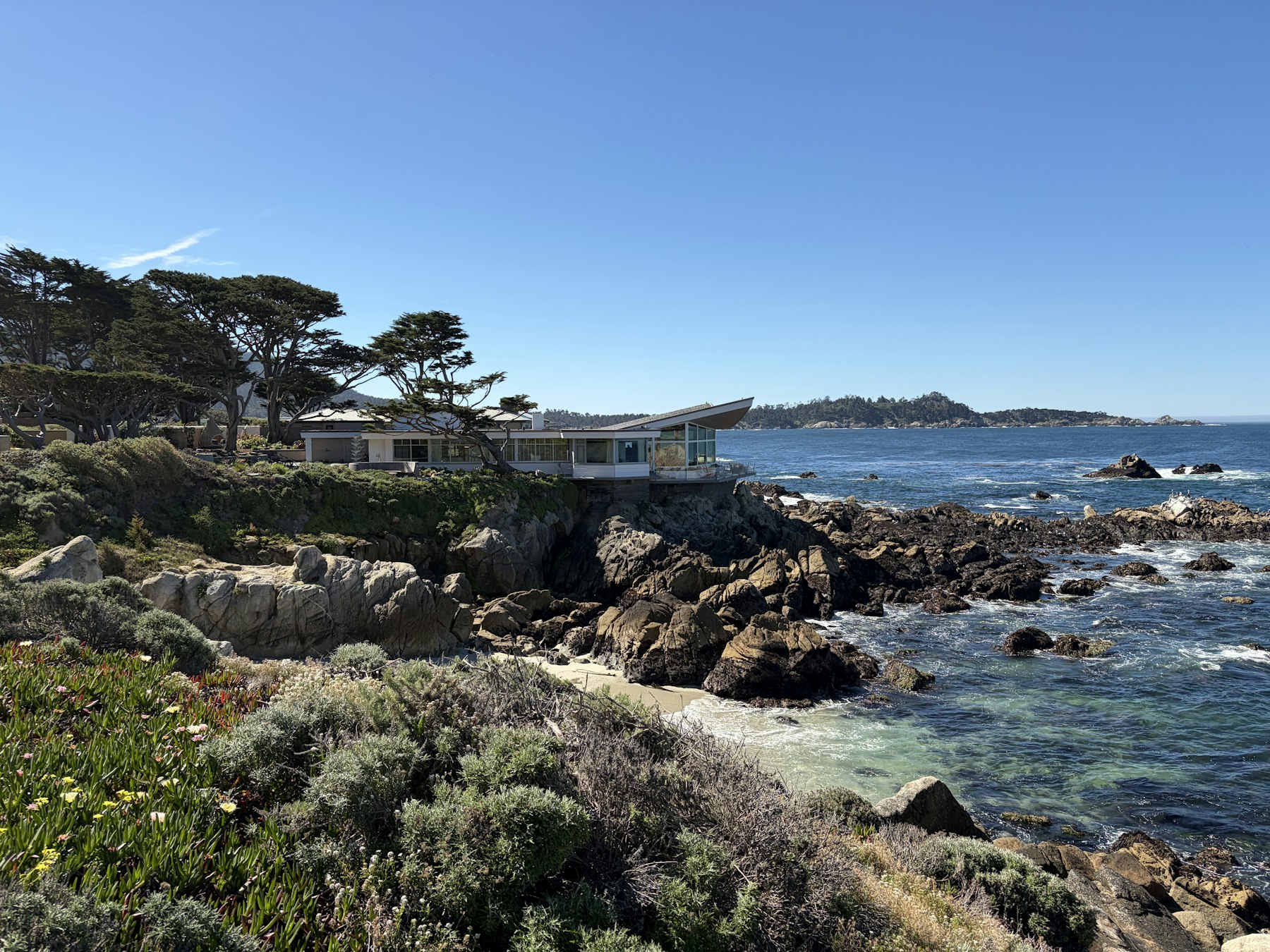
Salt Line Observatory
Orkney, Scotland2026Research
- Overview
- The observatory is less a building than a calibrated threshold. Visitors walk a 48-meter gallery that sits 1.4 meters above the highest recorded tide of 2010 — a baseline we know will fail. The architecture is designed to be read against that failure.
- Client
- Atlantic Institute
- Area
- 420 sq m
- Status
- Built
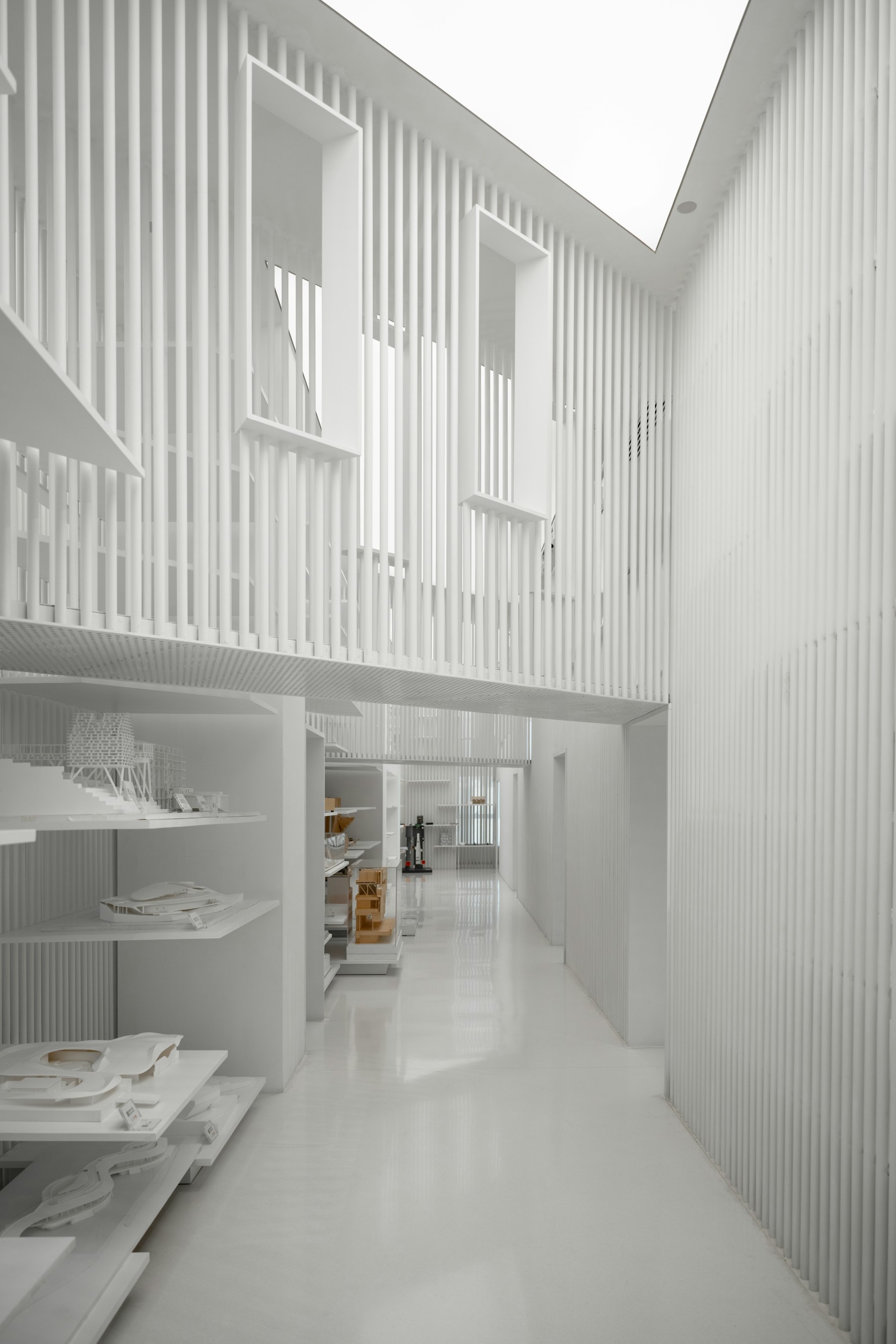
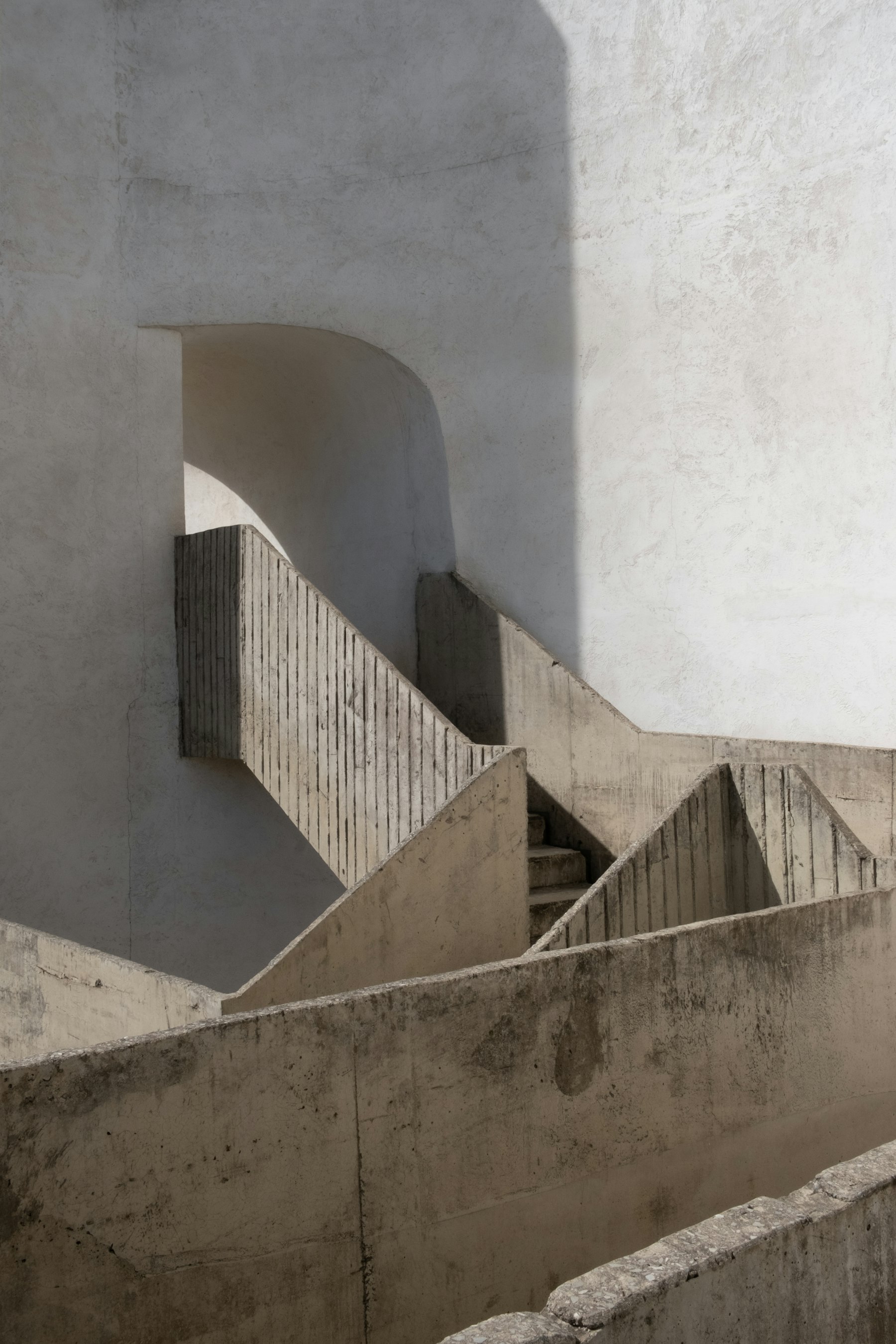

The client needed a public room that could host climate researchers without becoming a tourist pavilion. The site floods twice a year and will flood monthly within two decades.
We lifted the gallery on a basalt base bored with overflow channels. Cedar slats are spaced to whistle in a strong storm, so the building announces weather before you see it. Instruments are housed in a blackened concrete core that can be unbolted and moved inland.
++++
Opened March 2026. The first winter recorded 19 overtopping events. School groups now use the salt-bloom marks as a living graph. The project was named Emerging work at the 2026 European Architecture Award.
Lead
Sarah Hall
Structure
North Engineering
Landscape
Meridian Field
Photography
Aaron Magee